
Call us now :08045803570
 Send Inquiry
Pole Single Arm

Pole Single Arm Specification
- Head Diameter
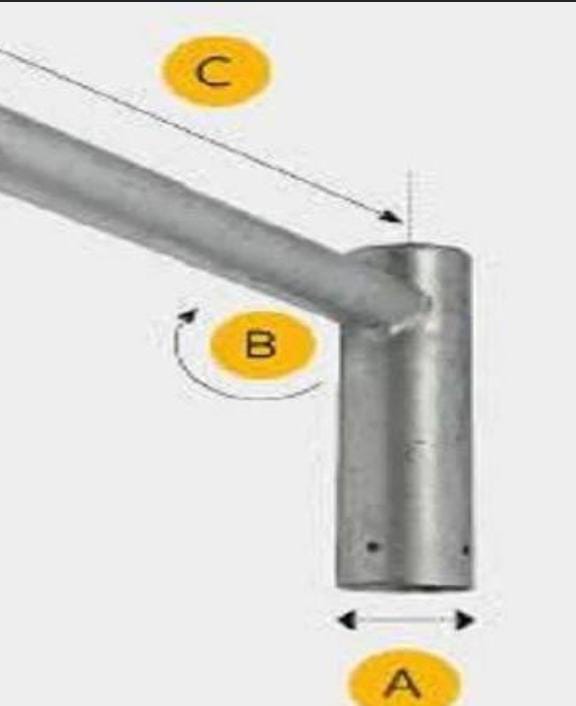
- As per requirement (Dimension A in image)
- Size
- As per client specification
- Dimension (L*W*H)
- Custom as per pole type
- Diameter
- Varies with project (Dimension A in image)
- Product Type
- Pole Single Arm
- Material
- Galvanized Steel / Stainless Steel / Aluminum (customizable)
- Height
- Customizable
- Usage
- Street lighting, Outdoor lighting, Industrial applications
- Color
- Metallic/Silver, Custom Coating Available
- Finish
- Hot dip galvanized / Powder coated
- Arm Angle (B)
- Customizable as shown in diagram
- Mounting Type
- Fixable on round/conical/polygonal/rectangular poles
- Installation
- Easy onsite installation, pre-drilled holes available
- Application
- For holding LED/HID fixture arms on poles
- Arm Length (C)
- Customizable as shown in diagram
- Corrosion Resistance
- Yes, against urban/industrial atmospheres
Pole Single Arm About
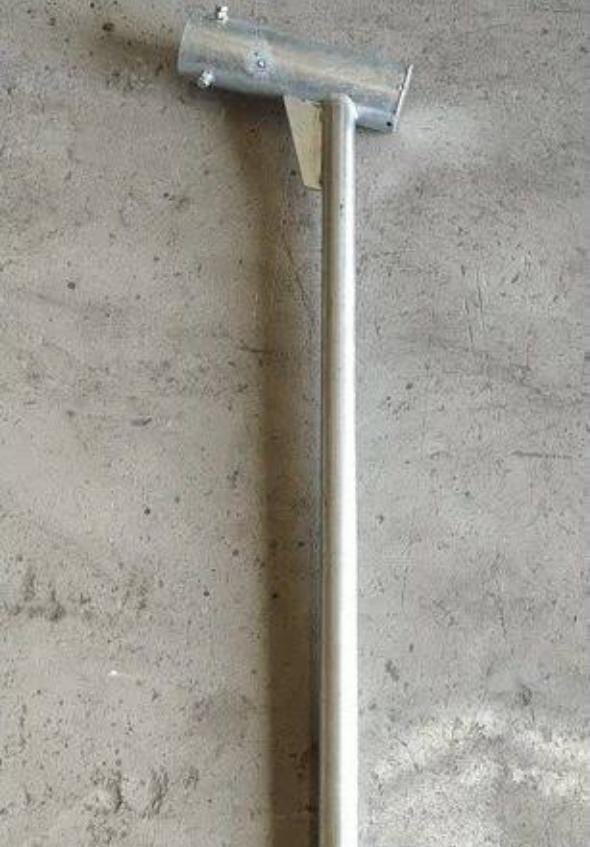
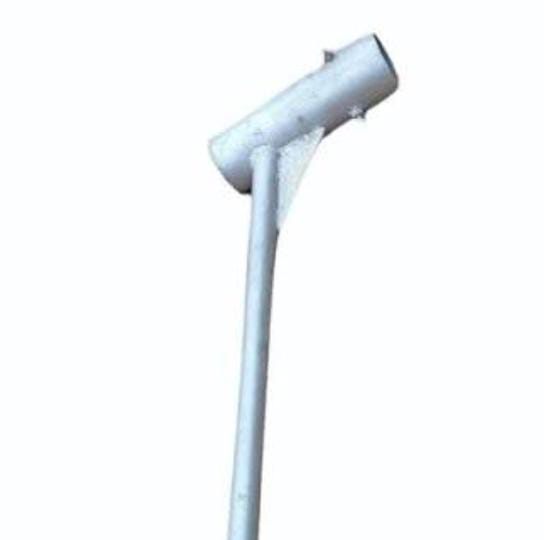
The Single Arm Pole is a strong and durable lighting pole designed for mounting a single street light or outdoor LED luminaire. Its practical single-arm design provides effective illumination over roads, pathways and outdoor areas while maintaining a clean and professional appearance.
Key Features:
-
Single-arm lighting pole design
-
Strong and durable construction
-
Suitable for LED street lights
-
Stable and reliable structure
-
Corrosion-resistant finish
-
Suitable for outdoor applications
-
Easy installation and maintenance
-
Long service life
-
Ideal for residential and commercial projects
Applications: Street lighting, roads, highways, parking areas, residential colonies, industrial areas, commercial complexes, pathways, parks and outdoor lighting projects.
Versatile Mounting Compatibility
This single arm support is engineered to fit a broad range of pole geometries including round, conical, polygonal, and rectangular profiles. Such adaptability ensures seamless application across municipal, industrial, or commercial projects and simplifies integration regardless of existing infrastructure.
Durable Construction for Harsh Environments
Manufactured from galvanized steel, stainless steel, or aluminum, each pole arm is prepared to withstand severe urban and industrial atmospheres. A choice of hot dip galvanization or powder coating further extends the service life, providing reliable performance and corrosion resistance in diverse climatic and environmental conditions.
Customizable Design for Tailored Solutions
The pole arm's angle, length, height, diameter, and overall dimensions are all customizable based on client specifications and project diagrams. This ensures each installation meets safety, performance, and aesthetic requirements while maximizing operational effectiveness.
FAQ's of Pole Single Arm:
Q: How is the Pole Single Arm installed on different pole types?
A: The Pole Single Arm is designed for easy onsite installation with pre-drilled holes, enabling secure attachment to round, conical, polygonal, or rectangular poles. The fixable mounting type ensures compatibility and stability on a range of pole profiles, making the process straightforward for technicians.Q: What materials and finishes are available for the pole arm?
A: Clients can select from galvanized steel, stainless steel, or aluminum, depending on environmental and project needs. For surface protection and extended durability, the arm can be finished with hot dip galvanization, powder coating, or a custom coating in a metallic or silver color.Q: When should I choose a customized arm angle or length?
A: A customized arm angle or length should be chosen when specific light distribution patterns or installation requirements are needed. These adjustments are typically detailed in project diagrams to optimize lighting performance and ensure compliance with engineering standards.Q: Where can the Pole Single Arm be used?
A: This product is suitable for a wide range of outdoor applications, including street lighting, outdoor illumination, and industrial facility lighting. Its robust design and corrosion protection make it ideal for both urban and industrial settings.Q: What is the process for ordering a custom-sized pole arm?
A: Clients should provide detailed specifications such as arm angle, length, height, and head diameter, typically referencing the provided diagrams. The manufacturer uses these details to fabricate a pole arm that fits precise project or site requirements.Q: How does the pole arm resist corrosion in tough environments?
A: The use of galvanized steel, stainless steel, or aluminum, combined with hot dip galvanization or powder coating, ensures robust resistance against corrosion caused by urban pollution or industrial environments, thereby prolonging the product's lifespan.Q: What benefits does the Pole Single Arm offer to outdoor and industrial lighting projects?
A: Benefits include versatile mounting options, strong corrosion resistance, customizable dimensions for optimal fixture placement, and an easy installation process. These features collectively enhance operational safety, energy efficiency, and long-term maintenance outcomes.Tell us about your requirement

Price:
Quantity
Select Unit
- 50
- 100
- 200
- 250
- 500
- 1000+
Additional detail
Mobile number
Email

More Products in Street Light Category
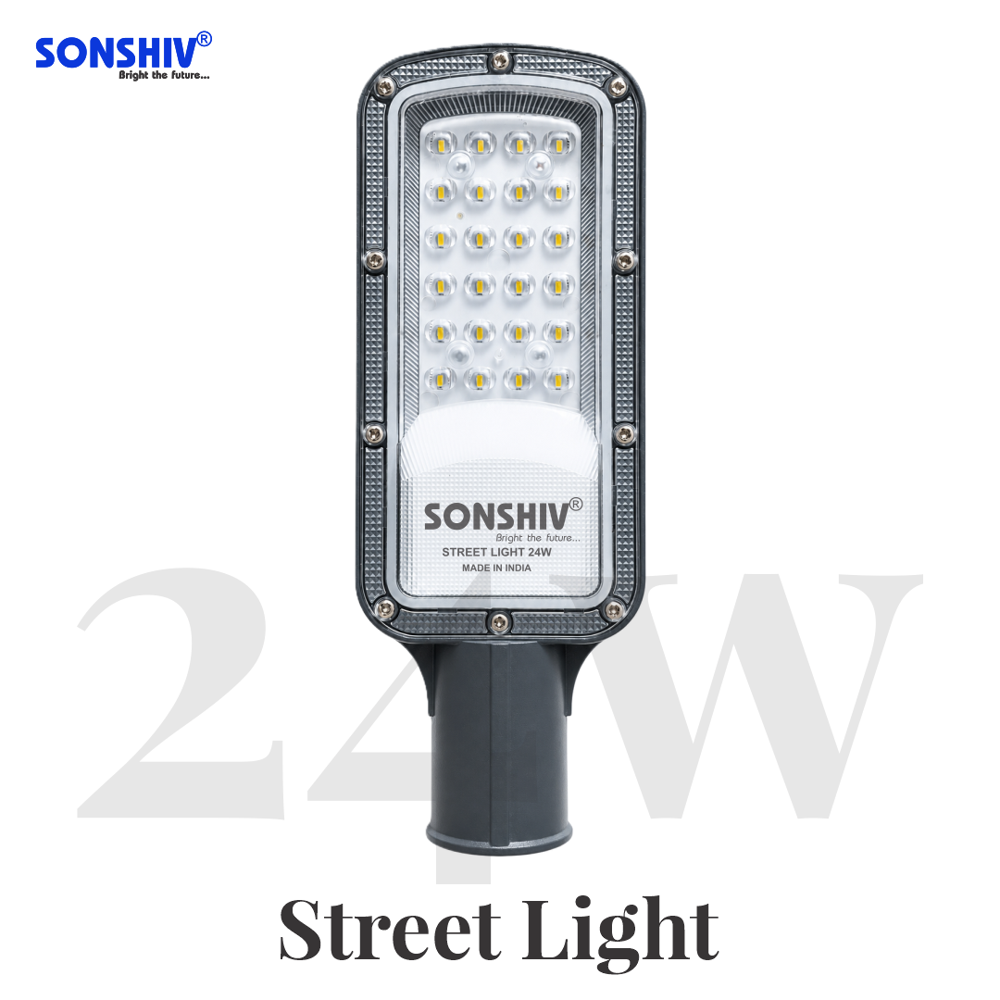
24W Street Light
Price 515.0 INR / Unit
Minimum Order Quantity : 50 Units
Material : Aluminum + Polycarbonate (PC) Cover
Efficiency : High Luminous Efficiency (approx. 100 lm/W)
Power Supply : AC 220240V, 50/60Hz
Usage : Outdoor Lighting, Street Lighting, Garden and Campus Lighting

80Watt Street Light
Price 810.0 INR / Piece
Minimum Order Quantity : 60 Pieces
Material : Aluminum Diecast
Efficiency : >90%
Power Supply : AC 220240V, 50/60Hz
Usage : Outdoor Lighting, Street, Road, Parking Area
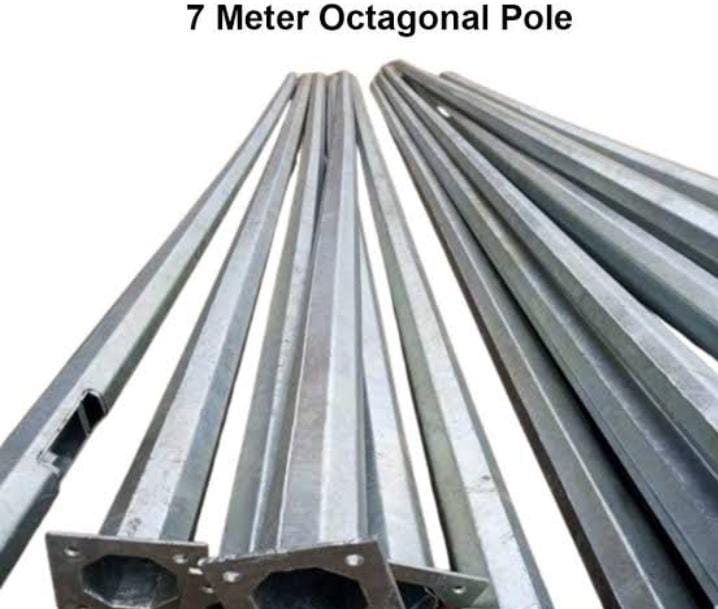
7mtr Octagonal Pole
Price 9680.0 INR / Piece
Minimum Order Quantity : 50 Pieces
Material : Hot Dip Galvanized Steel
Efficiency : N/A (Depends on fixture)
Power Supply : Suitable for 230V AC
Usage : Street Lighting, Outdoor Area Lighting
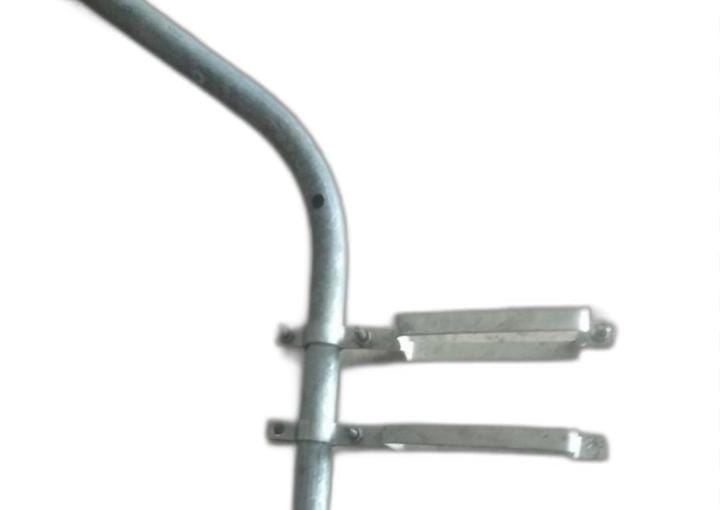
STREET LIGHT PIPE & CLAMP
Price 110.0 INR / Piece
Minimum Order Quantity : 50 Pieces
Material : Galvanized Iron (GI) Steel
Efficiency : N/A (Mounting Hardware)
Power Supply : N/A (Holds Lighting Unit)
Usage : Mounting Street Lights and Fixtures

 Send Inquiry
Our Products

3/275, Sector-O, Kanpur Road, Mansarovar Yojana,Lucknow - 226012, Uttar Pradesh, India

Mr. Sonshiv
(Sales Officer )
Mobile :08045803570
 Send Inquiry

Developed and Managed by Infocom Network Private Limited.
